













Machine type
 Prestige XL series (L2, XL2, XL2 Pro, XL3, XL4)
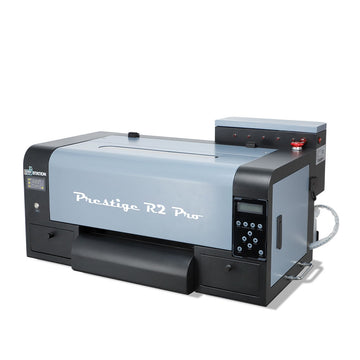
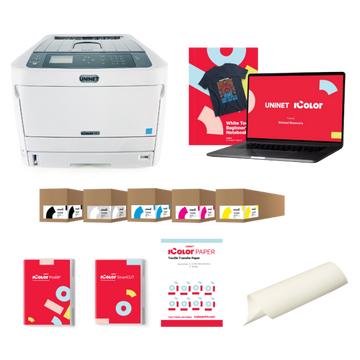
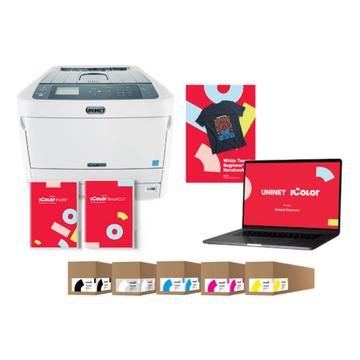
 DTF Station Prestige R2 Pro
 DTF Station Prestige R1
 DTF Station Prestige R2 (original)
 Prestige X6
 DTF Station Prestige A4
 DTF Station Prestige A3+ and A3+ R
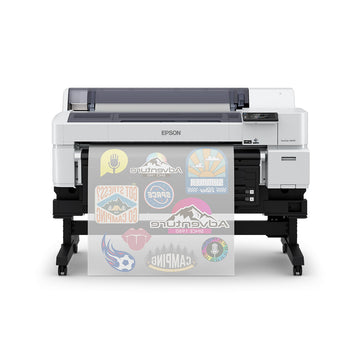
 Epson SureColor G6070 DTF printer
 Mimaki TxF300-1600
 Mimaki TxF330-800
 STS XPD-924D DTF Printer (Mutoh)
 STS VJ-628D DTF Printer (Mutoh)
 DTF Station Vega S17
 STS XpertJet 1682D (XPJ-1682D) 64 inch DTF Printer
 STS XPD-724 DTF Printer (Mutoh)


 Hotronix Fusion IQ, Air Fusion IQ and Dual Air Fusion IQ
 Geo Knight DK20S and DK20SP Digital Knight Swing-Away Presses
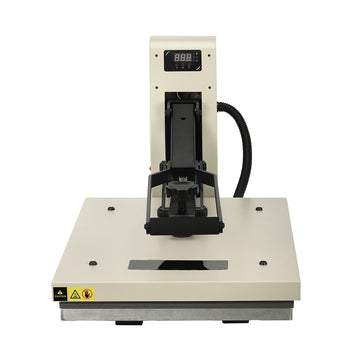
 DTF Station Maxima and Proxima Dual Heat Presses
 Hotronix Auto Open Clam and Hover Heat Press
 DTF Station Prisma Auto Heat Press
 DTF Station Prisma Dual Heat Press
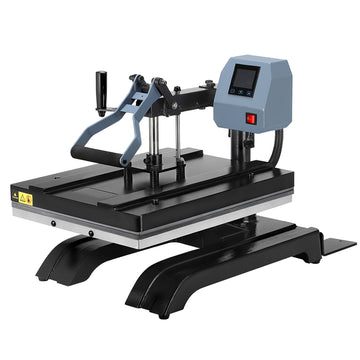
 DTF Station Prisma Swing Heat Press
 Insta 718, 728 and 828 Automatic Swing-Away Heat Presses
 DTF Station Prisma Sentry Heat Press
 Geo Knight DC16 and DC16AP Digital Combo Swing-Away Presses
 Geo Knight DK Digital Clamshell Presses: DK20, DK16, DKA Auto, DK8 Label and DK7 Cap
 Hotronix Auto Open Cap Press and 360 IQ Hat Press
 Hotronix Craft Heat Press 9 x 12
 Hotronix Mighty Mug Heat Press
 Insta 256 and 288 Manual Swing-Away Heat Presses
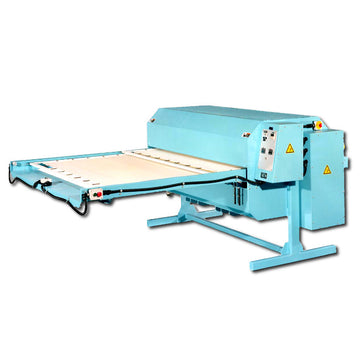
 Insta 907 Dual Station Shuttle Label Heat Press


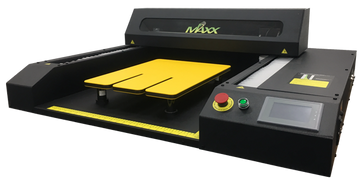
 Viper MAXX pretreatment machine
 Ecofreen Mister-T2 and Mister-T2 Pro pretreatment machines
 Pearl Elite and Pearl PTM DTG pretreatment machines
 Viper XPT-1000 pretreatment machine
 Lawson Silver-Jet and Silver-Jet V2 DTG Pretreat Sprayers
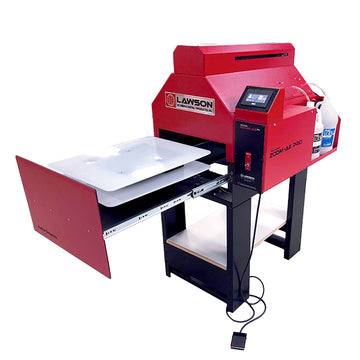
 Lawson Zoom-AE DTG pretreatment machine
 Viper MINI handheld DTG pretreatment machine


Brand
Prestige XL series (L2, XL2, XL2 Pro, XL3, XL4)
DTF Station Prestige R2 Pro
DTF Station Prestige R1
DTF Station Prestige R2 (original)
Prestige X6
DTF Station Prestige A4
DTF Station Prestige A3+ and A3+ R
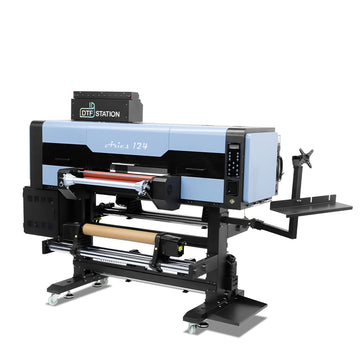
 DTF Station Aries 124 UV DTF printer
 Miro DTF Powder Shakers: Miro 13 Max, 16, 24 and 36
 DTF Station Aries 213 and Aries 113 UV DTF printers
 Seismo L16R and L24R DTF Powder Shaker and Dryer
 Phoenix Air 16x20 DTF Curing Oven
DTF Station Maxima and Proxima Dual Heat Presses
DTF Station Prisma Auto Heat Press
DTF Station Prisma Dual Heat Press
DTF Station Prisma Swing Heat Press
DTF Station Vega S17
DTF Station Prisma Sentry Heat Press
 DTF Station Seismo V36R DTF Powder Shaker and Dryer
 DTF Station Arc 127 automatic cutter for DTF and UV DTF film
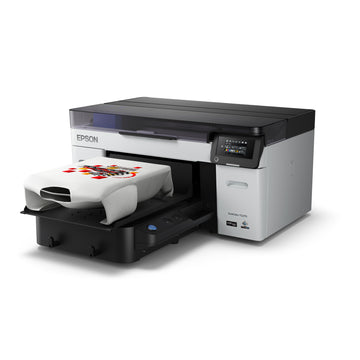
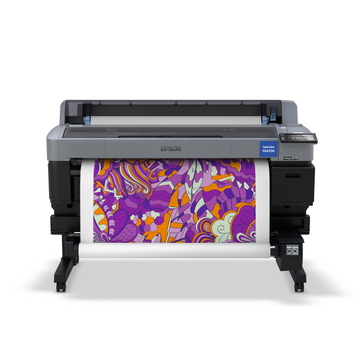
 Epson SureColor F2100
Epson SureColor G6070 DTF printer
 Epson SureColor F2270
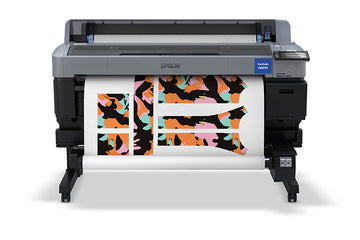
 Epson SureColor F3070
 Epson SureColor F570
 Epson SureColor F170
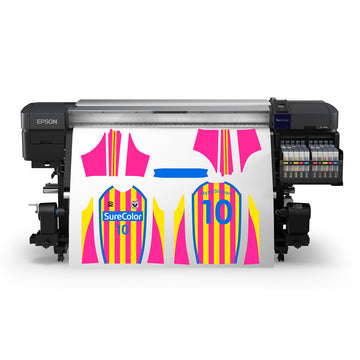
 Epson SureColor F6470 and F6470H
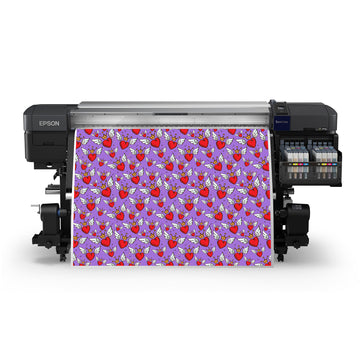
 Epson SureColor F6370
 Epson SureColor F7200
 Epson SureColor P-Series photo printers (P700, P900, P6570, P8570)
 Epson SureColor T-Series CAD and technical printers
 Epson SureColor S-Series (S40600, S60600, S80600)
What can you sublimate? Polyester, coated blanks and why the blank must be white or light
Sublimation only works on polyester fabric or hard items with a polymer coating, because the heat turns the ink into a gas that bonds into polyester. It works best on white or light-colored blanks. Epson sublimation printers have no white ink, so whatever is white in your design is simply the color of the blank showing through. Plain cotton and dark or black items won't give a usable result.
How sublimation works, in one paragraph
You print a mirrored design onto sublimation transfer paper. In the heat press, heat and pressure turn the ink into a gas, which bonds into polyester fibers or into a polymer coating on a hard item. The design becomes part of the surface, so it won't crack or peel like a printed layer can. That only happens if there is polyester for the ink to bond to.
What works and what doesn't
| Blank | Result | Why |
|---|---|---|
| White or light 100% polyester shirts, jerseys, fabric | Best | Plenty of polyester and a light background |
| Polyester blends | Lighter, softer color | Less polyester for the ink to bond to |
| Mugs, tumblers, tiles, metal panels, plaques made for sublimation | Good | They carry a polymer coating |
| Uncoated ceramic, glass, wood or metal | Won't take | No polyester or coating |
| 100% cotton | Washes out or barely shows | No polyester |
| Black or dark items, even polyester | Design disappears | The ink is see-through and there is no white ink |
Why the blank has to be white or light
Epson's sublimation printers in this range print with cyan, magenta, yellow and black (the F6470H adds specialty colors such as fluorescents). None of them prints white. Anything white in your artwork is left unprinted, and the color of the blank shows through instead. On a white blank that looks right. On a gray blank your whites turn gray, and on a dark blank most of the design disappears. Light pastel blanks work, but they tint every color in the design.
Get the basics right
-
Use sublimation blanks
Buy hard goods sold as sublimation blanks, so you know the coating is there. For fabric, check the polyester content on the label.
-
Use sublimation transfer paper
Epson recommends its own DS Transfer papers and warns that other papers may not develop color as expected, may show roller marks, or may let ink rub off. Select the matching paper type in the driver.
-
Mirror the print
The design is pressed face down, so it has to be printed mirrored. The F170 driver mirrors by default; on the F570 it's the Mirror Image checkbox.
-
Press to the paper and blank maker's settings
Time, temperature and pressure change a lot by item. For example, Beaver Paper's chart for its TexPrint XPHR paper lists polyester fabric at 400 °F for 35 to 60 seconds at light to medium pressure, but ceramic mugs at 400 °F for 4 to 5 minutes at heavy pressure. Always check your paper's sheet and your blank supplier's instructions.
-
Hold the paper still
If the paper moves during pressing you get a blurry double image. Secure it with heat-resistant tape or use an adhesive (tacky) sublimation paper. See our ghosting and faded colors guide.
Not sure a blank will work? Press one test piece before you commit to an order. Send us a photo of the result and the blank's label if it doesn't look right.
Epson's video: sublimating a 100% polyester T-shirt with the F570
More videos
Embedded from the manufacturer's official channel.
Common questions
Can I sublimate on a black mug or a dark shirt?
Not with standard sublimation. The ink is see-through and these printers have no white ink, so the design disappears into a dark background. Use a white or light blank.
Can I sublimate on 100% cotton?
Not with standard sublimation. The ink needs polyester to bond to. Sawgrass describes cotton as a fabric sublimation was never able to decorate until it introduced a separate special process.
What about blends?
More polyester means a brighter, longer-lasting result, so lower polyester blends come out lighter. Test one before a run.
Can I put DTF film through my F170 or F570?
No. These printers are designed for dye-sublimation transfer paper. Use the paper types Epson lists for your printer.
Why does my mug print look faint?
Check that the mug is a sublimation blank with a polymer coating, then check the paper maker's time, temperature and pressure for mugs. Ceramic mugs need minutes, not seconds.
- Epson: Unlock new creative potential with dye-sublimation printing
- Sawgrass: Sublimation printing glossary
- Epson SC-F100 Series (SureColor F170) User's Guide
- Epson SureColor F570 User's Guide (PDF)
- Beaver Paper TexPrint XPHR transfer instructions
- AA support requests about sublimation blanks and colors, 2024 to 2026