
















Machine type
 Prestige XL series (L2, XL2, XL2 Pro, XL3, XL4)
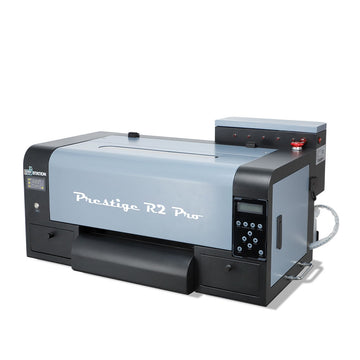
 DTF Station Prestige R2 Pro
 DTF Station Prestige R1
 DTF Station Prestige R2 (original)
 Prestige X6
 DTF Station Prestige A4
 DTF Station Prestige A3+ and A3+ R
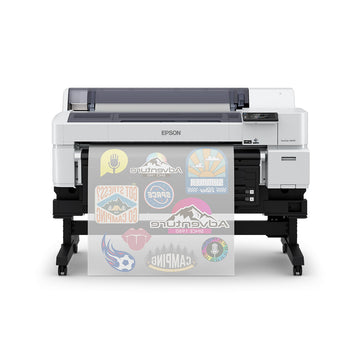
 Epson SureColor G6070 DTF printer
 Mimaki TxF300-1600
 Mimaki TxF330-800
 STS XPD-924D DTF Printer (Mutoh)
 STS VJ-628D DTF Printer (Mutoh)
 DTF Station Vega S17
 STS XpertJet 1682D (XPJ-1682D) 64 inch DTF Printer
 STS XPD-724 DTF Printer (Mutoh)


 Hotronix Fusion IQ, Air Fusion IQ and Dual Air Fusion IQ
 Geo Knight DK20S and DK20SP Digital Knight Swing-Away Presses
 DTF Station Maxima and Proxima Dual Heat Presses
 Hotronix Auto Open Clam and Hover Heat Press
 DTF Station Prisma Auto Heat Press
 DTF Station Prisma Dual Heat Press
 DTF Station Prisma Swing Heat Press
 Insta 718, 728 and 828 Automatic Swing-Away Heat Presses
 DTF Station Prisma Sentry Heat Press
 Geo Knight DC16 and DC16AP Digital Combo Swing-Away Presses
 Geo Knight DK Digital Clamshell Presses: DK20, DK16, DKA Auto, DK8 Label and DK7 Cap
 Hotronix Auto Open Cap Press and 360 IQ Hat Press
 Hotronix Craft Heat Press 9 x 12
 Hotronix Mighty Mug Heat Press
 Insta 256 and 288 Manual Swing-Away Heat Presses
 Insta 907 Dual Station Shuttle Label Heat Press


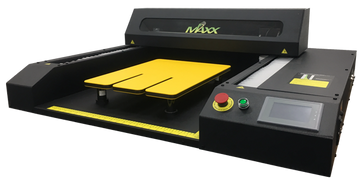
 Viper MAXX pretreatment machine
 Ecofreen Mister-T2 and Mister-T2 Pro pretreatment machines
 Pearl Elite and Pearl PTM DTG pretreatment machines
 Viper XPT-1000 pretreatment machine
 Lawson Silver-Jet and Silver-Jet V2 DTG Pretreat Sprayers
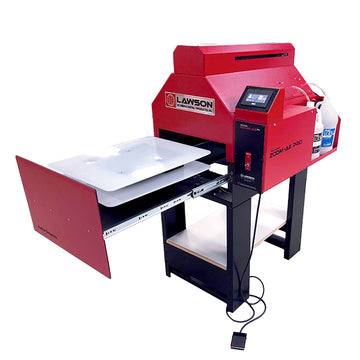
 Lawson Zoom-AE DTG pretreatment machine
 Viper MINI handheld DTG pretreatment machine


Brand
Prestige XL series (L2, XL2, XL2 Pro, XL3, XL4)
DTF Station Prestige R2 Pro
DTF Station Prestige R1
DTF Station Prestige R2 (original)
Prestige X6
DTF Station Prestige A4
DTF Station Prestige A3+ and A3+ R
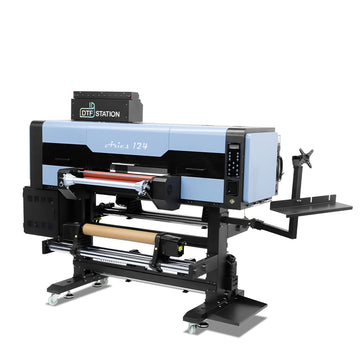
 DTF Station Aries 124 UV DTF printer
 Miro DTF Powder Shakers: Miro 13 Max, 16, 24 and 36
 DTF Station Aries 213 and Aries 113 UV DTF printers
 Seismo L16R and L24R DTF Powder Shaker and Dryer
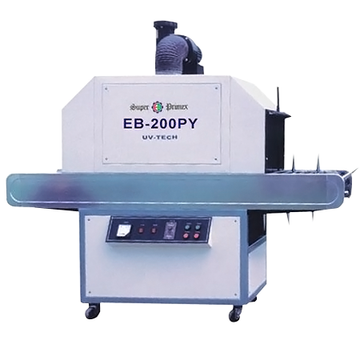
 Phoenix Air 16x20 DTF Curing Oven
DTF Station Maxima and Proxima Dual Heat Presses
DTF Station Prisma Auto Heat Press
DTF Station Prisma Dual Heat Press
DTF Station Prisma Swing Heat Press
DTF Station Vega S17
DTF Station Prisma Sentry Heat Press
 DTF Station Seismo V36R DTF Powder Shaker and Dryer
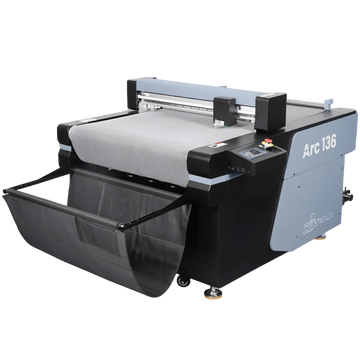
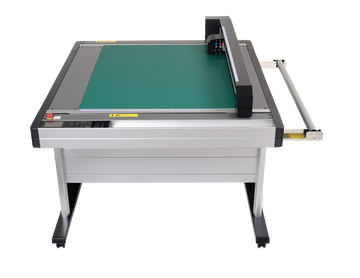
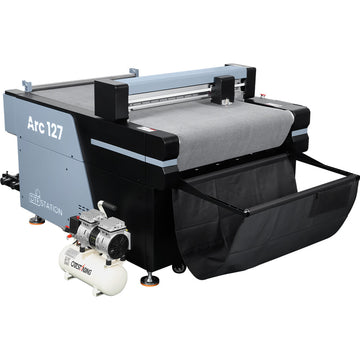
 DTF Station Arc 127 automatic cutter for DTF and UV DTF film
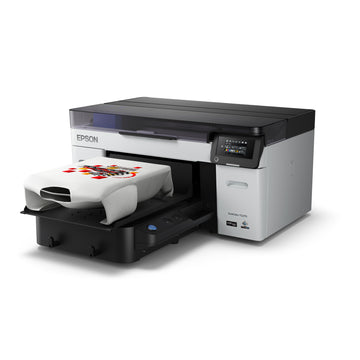
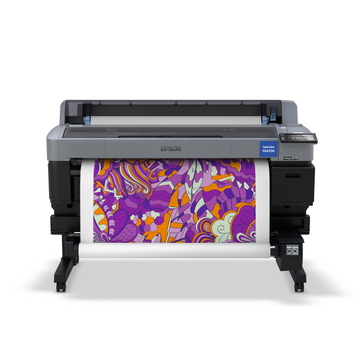
 Epson SureColor F2100
Epson SureColor G6070 DTF printer
 Epson SureColor F2270
 Epson SureColor F3070
 Epson SureColor F570
 Epson SureColor F170
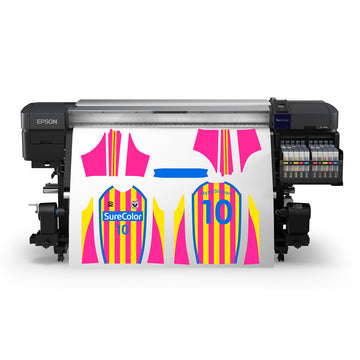
 Epson SureColor F6470 and F6470H
 Epson SureColor F6370
 Epson SureColor F7200
 Epson SureColor P-Series photo printers (P700, P900, P6570, P8570)
 Epson SureColor T-Series CAD and technical printers
 Epson SureColor S-Series (S40600, S60600, S80600)
Artwork for sublimation on Epson F170, F570, F6370 and F6470: size, color and mirror settings
Make the design at the exact size of the blank's print area, in RGB with sRGB colors. Manage color in one place only: your design software with an ICC profile, or the Epson driver, not both. Mirror the image once, in the driver or RIP, not also in the artwork. Sublimation inks have no white, so white parts of the design come out as the color of the blank.
Size it for the blank
Build the design at the exact size of the area you'll press, so nothing gets scaled at print time. Scaling a small image up makes it soft or jagged. If you do let the driver size the print, the F570 Windows driver offers Same as Paper Size, Fit to Roll Paper Width, Fit to Output Size and Others for a custom size. Make sure the paper size in the driver matches the paper you loaded.
Color: RGB, sRGB, and one color manager
Work in RGB and keep the file in sRGB. Then decide where color gets managed, and do it in only one place:
| Option | Driver Color Mode | What you need |
|---|---|---|
| Your design program manages color | Off (No Color Adjustment) | An ICC profile for your printer, ink and paper. Epson says an ICC profile is required with color management off, and that this usually gives the best results. |
| The Epson driver manages color | EPSON Standard (sRGB) or ICM | Leave color management off in your design program |
Managing color in both places at once is the most common cause of colors that don't match the screen. If you're not sure which you've set, text us a screenshot of your print window.
On the F6370 and F6470, Epson Edge Print takes its color profile from the EMX media file for your paper. See our Edge Print guide.
Mirror once
Sublimation transfers face down, so the print has to be mirrored. Do it once: either the driver's Mirror Image setting or your RIP's mirror option, never also in the artwork. The F170 driver mirrors by default. A design with text is the easiest check: on the paper it should read backwards.
Design without white
Epson's sublimation printers print cyan, magenta, yellow and black. There is no white ink, so anything white in your design is simply unprinted, and the blank's color shows there. Plan designs for white or light blanks, and see what you can sublimate.
Thin lines and small text
Use vector art or a high-resolution image for text and fine lines. The F570 Windows driver has an Emphasize Thin Lines option that smooths jagged edges in low-resolution images. Epson notes it can slow printing, especially over Wi-Fi, so use a wired connection with it on.
Before you print
- Design at final size, RGB, sRGB
- Color managed in one place only
- Mirrored once, in the driver or RIP
- Paper type and size in the driver match the paper loaded
- A nozzle check with no gaps
For driver installation and ICC settings, see our F170 and F570 driver guide. For pale prints and ghosting, see sublimation ghosting and faded colors.
Common questions
My design transferred backwards. What happened?
It was mirrored twice or not at all. Mirror it in one place only. The F170 driver mirrors by default, so don't flip the artwork yourself.
Why are my colors different from the screen?
Usually color is being managed twice, or the wrong paper setting is selected. Pick one place to manage color. See our driver and ICC settings guide and our faded colors guide.
Can I print white with sublimation?
No. Epson's sublimation printers use cyan, magenta, yellow and black only. White areas stay the color of the blank, so use white or light polyester or coated blanks.
My small text looks jagged.
Start with a higher resolution or vector file. On the F570 Windows driver, Emphasize Thin Lines smooths jagged edges in low resolution images, though it can slow printing.
- Epson SureColor F570 User's Guide: color mode options, document size, Mirror Image, Emphasize Thin Lines
- Epson SC-F100 Series (SureColor F170) User's Guide
- AA support requests about sublimation color and file setup, 2024 to 2026