


















Machine type
 Prestige XL series (L2, XL2, XL2 Pro, XL3, XL4)
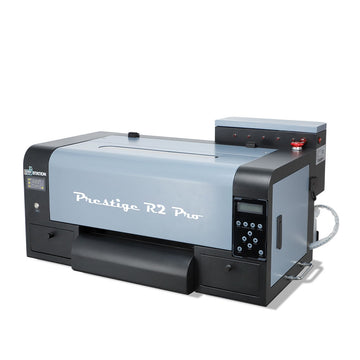
 DTF Station Prestige R2 Pro
 DTF Station Prestige R1
 DTF Station Prestige R2 (original)
 Prestige X6
 DTF Station Prestige A4
 DTF Station Prestige A3+ and A3+ R
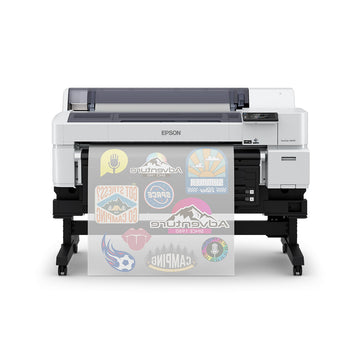
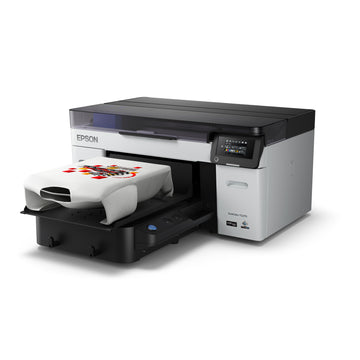
 Epson SureColor G6070 DTF printer
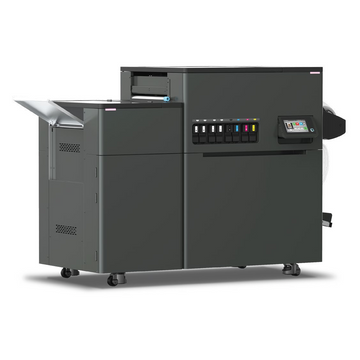
 Mimaki TxF300-1600
 Mimaki TxF330-800
 STS XPD-924D DTF Printer (Mutoh)
 STS VJ-628D DTF Printer (Mutoh)
 DTF Station Vega S17
 STS XpertJet 1682D (XPJ-1682D) 64 inch DTF Printer
 STS XPD-724 DTF Printer (Mutoh)


 Hotronix Fusion IQ, Air Fusion IQ and Dual Air Fusion IQ
 Geo Knight DK20S and DK20SP Digital Knight Swing-Away Presses
 DTF Station Maxima and Proxima Dual Heat Presses
 Hotronix Auto Open Clam and Hover Heat Press
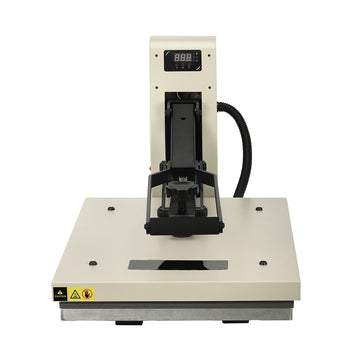
 DTF Station Prisma Auto Heat Press
 DTF Station Prisma Dual Heat Press
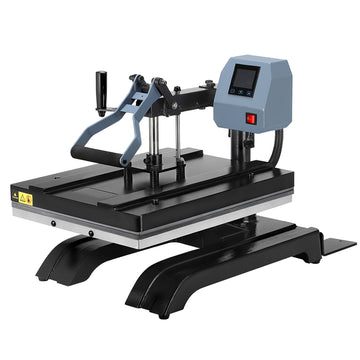
 DTF Station Prisma Swing Heat Press
 Insta 718, 728 and 828 Automatic Swing-Away Heat Presses
 DTF Station Prisma Sentry Heat Press
 Geo Knight DC16 and DC16AP Digital Combo Swing-Away Presses
 Geo Knight DK Digital Clamshell Presses: DK20, DK16, DKA Auto, DK8 Label and DK7 Cap
 Hotronix Auto Open Cap Press and 360 IQ Hat Press
 Hotronix Craft Heat Press 9 x 12
 Hotronix Mighty Mug Heat Press
 Insta 256 and 288 Manual Swing-Away Heat Presses
 Insta 907 Dual Station Shuttle Label Heat Press


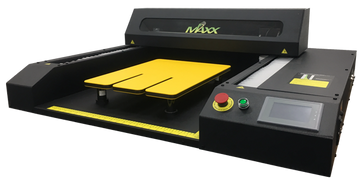
 Viper MAXX pretreatment machine
 Ecofreen Mister-T2 and Mister-T2 Pro pretreatment machines
 Pearl Elite and Pearl PTM DTG pretreatment machines
 Viper XPT-1000 pretreatment machine
 Lawson Silver-Jet and Silver-Jet V2 DTG Pretreat Sprayers
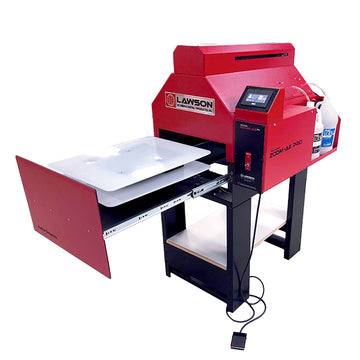
 Lawson Zoom-AE DTG pretreatment machine
 Viper MINI handheld DTG pretreatment machine


Brand
Prestige XL series (L2, XL2, XL2 Pro, XL3, XL4)
DTF Station Prestige R2 Pro
DTF Station Prestige R1
DTF Station Prestige R2 (original)
Prestige X6
DTF Station Prestige A4
DTF Station Prestige A3+ and A3+ R
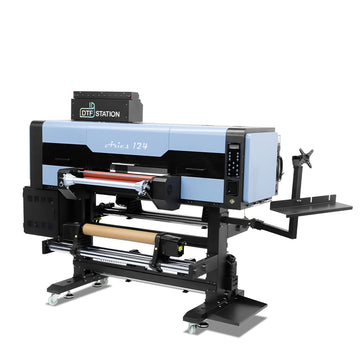
 DTF Station Aries 124 UV DTF printer
 Miro DTF Powder Shakers: Miro 13 Max, 16, 24 and 36
 DTF Station Aries 213 and Aries 113 UV DTF printers
 Seismo L16R and L24R DTF Powder Shaker and Dryer
 Phoenix Air 16x20 DTF Curing Oven
DTF Station Maxima and Proxima Dual Heat Presses
DTF Station Prisma Auto Heat Press
DTF Station Prisma Dual Heat Press
DTF Station Prisma Swing Heat Press
DTF Station Vega S17
DTF Station Prisma Sentry Heat Press
 DTF Station Seismo V36R DTF Powder Shaker and Dryer
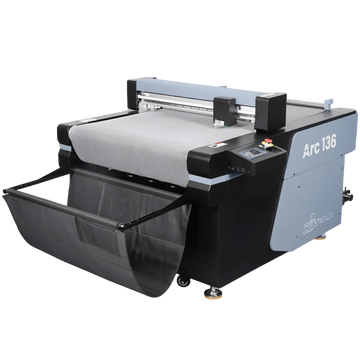
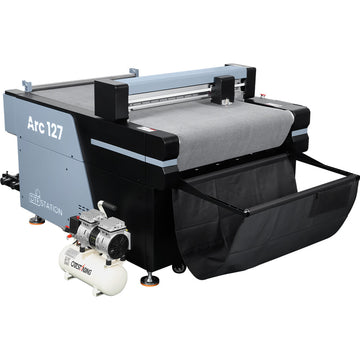
 DTF Station Arc 127 automatic cutter for DTF and UV DTF film
 Epson SureColor F2100
Epson SureColor G6070 DTF printer
 Epson SureColor F2270
 Epson SureColor F3070
 Epson SureColor F570
 Epson SureColor F170
 Epson SureColor F6470 and F6470H
 Epson SureColor F6370
 Epson SureColor F7200
 Epson SureColor P-Series photo printers (P700, P900, P6570, P8570)
 Epson SureColor T-Series CAD and technical printers
 Epson SureColor S-Series (S40600, S60600, S80600)
DTF Station Prisma Auto Heat Press support
The Prisma Auto is a 16 x 20 in clamshell heat press that opens itself when the timer ends, with a slide-out lower platen and RAMLOCK quick-change platens. It runs on standard 120 V power and needs no air compressor, but it does need a full 20 amp grounded circuit. Start here for temperature calibration, pressure settings, auto-open problems and the manual.

Setup & first print
Daily & weekly maintenance
- Heat press cleaning: burned transfer on the platen, PTFE cover sheets and platen coversLet the press cool and unplug it, then scrub the heat platen with a non-abrasive detergent or cleaner. Never use...
- Heat press temperature not accurate: how to check and calibrate it (Hotronix, Geo Knight, Prisma, Maxima)Heat the press, then measure the center of the heat platen with a contact surface probe or a temperature strip,...
Troubleshooting
- Auto-open heat press not opening or not staying closed (Prisma Auto, Hotronix Auto Clam)On an auto-open press, an electromagnet holds the closed press during the countdown and gas springs lift the heat platen...
- Heat press temperature not accurate: how to check and calibrate it (Hotronix, Geo Knight, Prisma, Maxima)Heat the press, then measure the center of the heat platen with a contact surface probe or a temperature strip,...
- Heat press uneven pressure: faded corners, light spots and edges that peelWhen one area of a transfer is lighter or peels while the rest is fine, the cause is almost always...
- Heat press won't turn on, won't heat, or shows ERR (Hotronix, Geo Knight, Prisma, Maxima)Most dead or slow presses are a power supply problem: a heat press draws close to the limit of a...
- What to send when you contact support: photos, video, nozzle check, error code and serial numberSend your order number, the machine model and serial number, a clear photo or short video of the problem, a...
Error messages
Techniques & settings
- Heat press cleaning: burned transfer on the platen, PTFE cover sheets and platen coversLet the press cool and unplug it, then scrub the heat platen with a non-abrasive detergent or cleaner. Never use...
- Heat press time and temperature chart for HTV, DTF transfers and sublimationAlways start from the settings printed by the maker of the material you're pressing. For Prisma HTV that's 284 to...
- How to set heat press pressure: light, medium, heavy and psi (Hotronix, Geo Knight, Prisma, Maxima)Most transfer instructions say light, medium or heavy pressure. On a manual press you turn the pressure knob (clockwise for...
Warranty & service plans
Manuals & downloads
Watch DTF Station's video: The perfect press with Prisma Auto
More videos
Embedded from the manufacturer's official channel.
About the DTF Station Prisma Auto Heat Press
The Prisma Auto is a 16 x 20 in auto-open clamshell press. When the countdown ends, the electromagnet lets go and gas shocks lift the heat platen, so a shirt is never left under the heat. The lower platen slides out so you can load away from the hot plate, and the RAMLOCK system lets you swap lower platens in seconds. The RAMSPIN system switches the press between auto-open and manual operation. The control box comes off the frame for service and connects with two aviation plugs.
Key specs
| Platen | 16 x 20 in |
| Power | 120 V, 1800 W, 16.4 A. Needs a full 20 amp grounded circuit |
| Temperature | 170 to 430°F (76 to 220°C) |
| Heat-up | About 20 minutes to 350°F |
| Timer | 0 to 999 seconds |
| Pressure readout | 0 to 9 on the display (1 to 3 light, 4 to 7 medium, 8 to 9 heavy) |
| Air | None. The Prisma Auto does not use a compressor |
Where to put it
Plug it straight into a grounded outlet on a 20 amp circuit. If you must use an extension cord, keep it short and no lighter than 12 gauge, and don't share the circuit with another heat press or other high-draw equipment. An overloaded circuit causes erratic controls, wrong temperature readings, slow heat-up and tripped breakers. Make sure both aviation plugs between the control box and the press are screwed on tight, because a loose plug can burn under load.