

















Machine type
 Prestige XL series (L2, XL2, XL2 Pro, XL3, XL4)
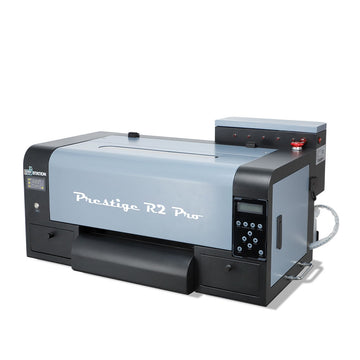
 DTF Station Prestige R2 Pro
 DTF Station Prestige R1
 DTF Station Prestige R2 (original)
 Prestige X6
 DTF Station Prestige A4
 DTF Station Prestige A3+ and A3+ R
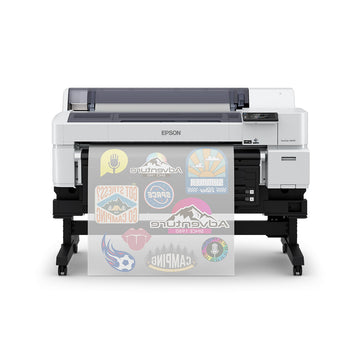
 Epson SureColor G6070 DTF printer
 Mimaki TxF300-1600
 Mimaki TxF330-800
 STS XPD-924D DTF Printer (Mutoh)
 STS VJ-628D DTF Printer (Mutoh)
 DTF Station Vega S17
 STS XpertJet 1682D (XPJ-1682D) 64 inch DTF Printer
 STS XPD-724 DTF Printer (Mutoh)


 Hotronix Fusion IQ, Air Fusion IQ and Dual Air Fusion IQ
 Geo Knight DK20S and DK20SP Digital Knight Swing-Away Presses
 DTF Station Maxima and Proxima Dual Heat Presses
 Hotronix Auto Open Clam and Hover Heat Press
 DTF Station Prisma Auto Heat Press
 DTF Station Prisma Dual Heat Press
 DTF Station Prisma Swing Heat Press
 Insta 718, 728 and 828 Automatic Swing-Away Heat Presses
 DTF Station Prisma Sentry Heat Press
 Geo Knight DC16 and DC16AP Digital Combo Swing-Away Presses
 Geo Knight DK Digital Clamshell Presses: DK20, DK16, DKA Auto, DK8 Label and DK7 Cap
 Hotronix Auto Open Cap Press and 360 IQ Hat Press
 Hotronix Craft Heat Press 9 x 12
 Hotronix Mighty Mug Heat Press
 Insta 256 and 288 Manual Swing-Away Heat Presses
 Insta 907 Dual Station Shuttle Label Heat Press


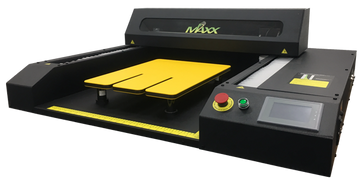
 Viper MAXX pretreatment machine
 Ecofreen Mister-T2 and Mister-T2 Pro pretreatment machines
 Pearl Elite and Pearl PTM DTG pretreatment machines
 Viper XPT-1000 pretreatment machine
 Lawson Silver-Jet and Silver-Jet V2 DTG Pretreat Sprayers
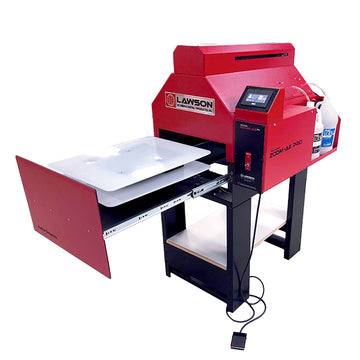
 Lawson Zoom-AE DTG pretreatment machine
 Viper MINI handheld DTG pretreatment machine


Brand
Prestige XL series (L2, XL2, XL2 Pro, XL3, XL4)
DTF Station Prestige R2 Pro
DTF Station Prestige R1
DTF Station Prestige R2 (original)
Prestige X6
DTF Station Prestige A4
DTF Station Prestige A3+ and A3+ R
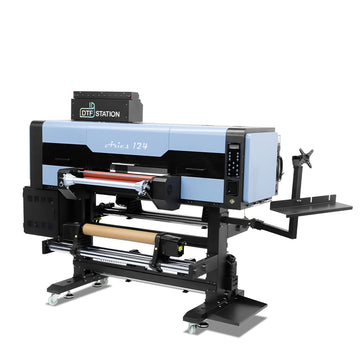
 DTF Station Aries 124 UV DTF printer
 Miro DTF Powder Shakers: Miro 13 Max, 16, 24 and 36
 DTF Station Aries 213 and Aries 113 UV DTF printers
 Seismo L16R and L24R DTF Powder Shaker and Dryer
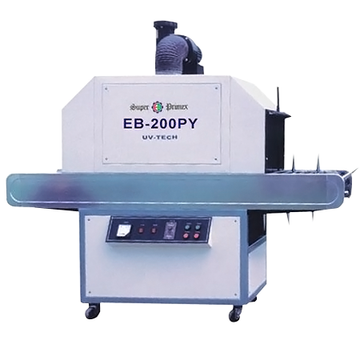
 Phoenix Air 16x20 DTF Curing Oven
DTF Station Maxima and Proxima Dual Heat Presses
DTF Station Prisma Auto Heat Press
DTF Station Prisma Dual Heat Press
DTF Station Prisma Swing Heat Press
DTF Station Vega S17
DTF Station Prisma Sentry Heat Press
 DTF Station Seismo V36R DTF Powder Shaker and Dryer
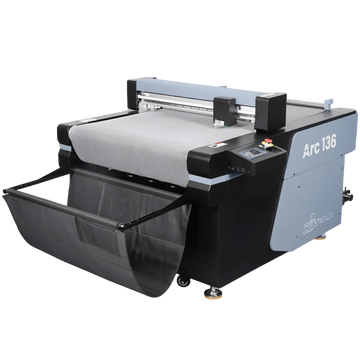
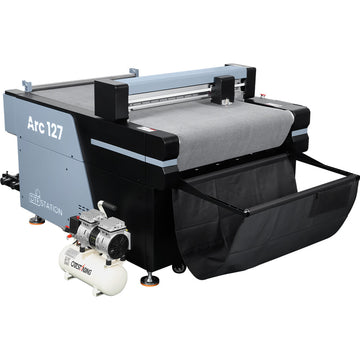
 DTF Station Arc 127 automatic cutter for DTF and UV DTF film
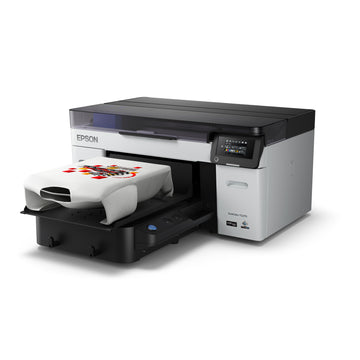
 Epson SureColor F2100
Epson SureColor G6070 DTF printer
 Epson SureColor F2270
 Epson SureColor F3070
 Epson SureColor F570
 Epson SureColor F170
 Epson SureColor F6470 and F6470H
 Epson SureColor F6370
 Epson SureColor F7200
 Epson SureColor P-Series photo printers (P700, P900, P6570, P8570)
 Epson SureColor T-Series CAD and technical printers
 Epson SureColor S-Series (S40600, S60600, S80600)
iColor 1 Step Hard Surface paper: printer settings, press times and peel for mugs, metal, glass and wood
Print iColor 1 Step Hard Surface paper on the coated, glossy side, mirrored, with a 250 to 280% white overprint and a choke of 1 to 2. Press at 300°F with medium-high pressure over a silicone or foam pad, for the time and peel Uninet lists for your substrate. On ceramic, glass and stainless steel, Uninet recommends baking at 360°F for 20 minutes for durability, and hand washing only.
Print it
-
Load the paper the right way
The coated, glossy side is the print side.
- iColor 560, 550, 540, 800: print side down in the bypass tray, portrait.
- iColor 650, 600, 500: print side up in the multipurpose tray, portrait.
-
Pick the media setting
In ProRIP or ProRIP Essentials, choose UNINET IColor Hard Surface Premium or UNINET IColor Hard Surface Wood & Leather, page size Letter. If you're setting the printer by hand:
Printer Premium paper Wood and Leather paper iColor 560 Labels Labels iColor 550, 540 Coated Glossy Coated Glossy iColor 800 Thick to 163g Thick to 163g iColor 650 Ultra Heavy 2, User Type 2 Ultra Heavy 5, User Type 2 iColor 500, 600 Ultra Heavy 1, Labels Ultra Heavy 1, Labels (Uninet doesn't recommend the 600 for this paper because it may jam) -
Mirror and add white
Mirror the job if the RIP doesn't do it for you. Set a white overprint of 250 to 280% with a choke of 1 to 2. For clear acrylic you can transfer onto the back instead: don't mirror, and use a white underprint.
Press it
-
Build the stack
Put kraft paper on the lower platen so you can lift the hot piece off. Lay the substrate flat with the printed paper on top, image to the substrate. Tape the paper to the kraft sheet for stability, but only on a blank area: tape over the image causes a blotchy transfer. Cover with a thin silicone pad or the foam pad that comes with the paper. On a mug press, tape the transfer around the mug, image facing in.
-
Press at 300°F, medium-high pressure
Use the time from the table below. Thicker pads (over 1 mm) need longer and hotter presses.
-
Peel at the right moment
Hot peel means immediately. Warm peel means within 30 seconds, or the paper starts lifting on its own. Peel too early and the polymer may not come away.
| Substrate | Paper | Time | Temp | Peel and notes |
|---|---|---|---|---|
| Ceramic mug or tile | Premium | 180 s | 300°F | Cold. Wait 1 minute, soak in warm water 2 minutes, then peel. Bake 20 min at 360°F. |
| Glass or crystal | Premium or W&L | 60 to 180 s by thickness | 300°F | Warm. Bake 20 min at 360°F. Hand wash. |
| Acrylic | Premium or W&L | 60 to 120 s by thickness | 300°F | Warm (Premium) or cool (W&L). A weight on top for 20 s stops warping. |
| Metal and steel | Premium | 180 s | 300°F | Cold. Soak in cold water 1 to 2 min before peeling. |
| Stainless steel bottle | Premium | 100 s | 360°F | Cool. Warm water 2 min, then peel. Bake 20 min at 360°F. |
| Uncoated wood | Wood and Leather | 50 to 60 s | 300°F | Hot, pull straight away. High pressure. Paper larger than the piece. |
| Coated or lacquered wood | Wood and Leather | 120 s | 275°F | Hot. High pressure. |
| Leather | Wood and Leather | 60 s | 300°F | Hot. High pressure. |
Uninet's sheets cover more substrates (anodized and coated metals, cardboard, MDF, magnetic sheeting). Check the instruction PDF for your paper before you press something new.
If it doesn't come out right
| Problem | What Uninet says to check |
|---|---|
| Image scratches or wears off | Bake ceramic, glass and stainless pieces 20 minutes at 360°F. Hand wash only. |
| Polymer stays on the piece | You peeled too early |
| Paper is hard to pull away | You waited too long. On metals, vary pressure, time and temperature, and try more white. |
| Blotchy patches | Tape over the image area, or uneven contact. Tape blank areas only. |
| Light or halftone areas won't transfer | Toner coverage under about 50%. Add a white overprint or underprint. |
| A visible sheen around the image on wood | Use paper larger than the piece, or switch to Wood and Leather paper |
Uninet's times are based on a Hotronix Fusion press or an iColor mug press. Clamshell and swing-away presses can need small changes, so test on a spare piece first.
Watch Uninet's video: Hard Surface paper for ceramic, metal and wood
More videos
Embedded from the manufacturer's official channel.
Common questions
My image scratches off the ceramic mug. What did I miss?
Uninet recommends baking ceramic, glass and stainless steel pieces in a convection oven at 360°F for 20 minutes after pressing for better durability, and hand washing only.
Can I use this on dark items?
Yes. Print with a white overprint from ProRIP or ProRIP Essentials. Uninet suggests 250 to 280% white with a choke of 1 to 2.
Which paper for wood or leather?
Uninet points you to Wood and Leather 1 Step Hard Surface paper. It has a thinner polymer that pulls cleanly from porous surfaces without leaving a background.
I made a mistake. Can I remove the transfer?
Uninet says acetone removes it before you bake it in the oven. Don't use acetone on plastics or anything it could damage.
What room conditions does the paper need?
Uninet lists 45 to 65% humidity and 50 to 75°F. Outside that range you may get poor results.
- iColor Premium 1 Step Hard Surface Paper Instructions (ICHTHARDPREM)
- iColor Wood and Leather 1 Step Hard Surface Paper Instructions (ICHTHARDWL)
- AA support requests about iColor hard surface transfers, 2024 to 2026