
















Machine type
 Prestige XL series (L2, XL2, XL2 Pro, XL3, XL4)
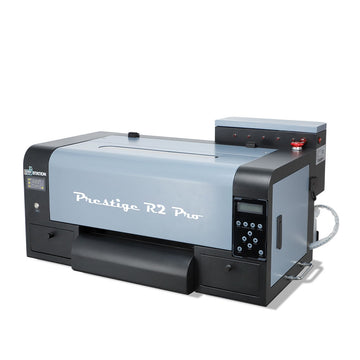
 DTF Station Prestige R2 Pro
 DTF Station Prestige R1
 DTF Station Prestige R2 (original)
 Prestige X6
 DTF Station Prestige A4
 DTF Station Prestige A3+ and A3+ R
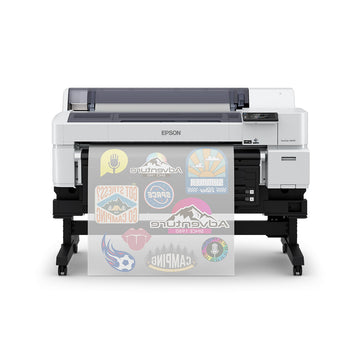
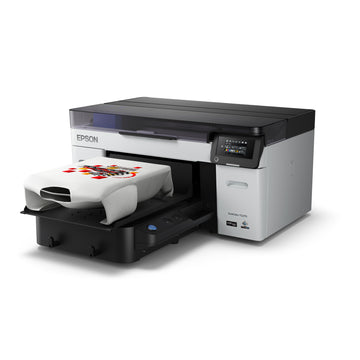
 Epson SureColor G6070 DTF printer
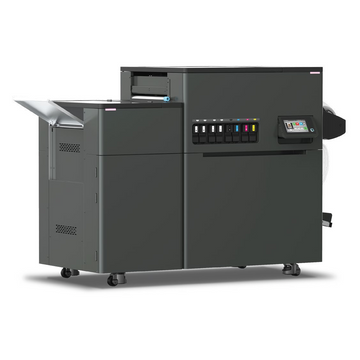
 Mimaki TxF300-1600
 Mimaki TxF330-800
 STS XPD-924D DTF Printer (Mutoh)
 STS VJ-628D DTF Printer (Mutoh)
 DTF Station Vega S17
 STS XpertJet 1682D (XPJ-1682D) 64 inch DTF Printer
 STS XPD-724 DTF Printer (Mutoh)


 Hotronix Fusion IQ, Air Fusion IQ and Dual Air Fusion IQ
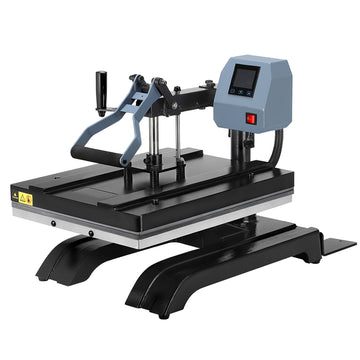
 Geo Knight DK20S and DK20SP Digital Knight Swing-Away Presses
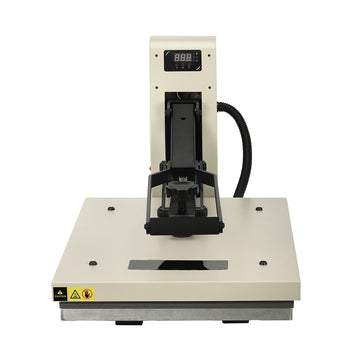
 DTF Station Maxima and Proxima Dual Heat Presses
 Hotronix Auto Open Clam and Hover Heat Press
 DTF Station Prisma Auto Heat Press
 DTF Station Prisma Dual Heat Press
 DTF Station Prisma Swing Heat Press
 Insta 718, 728 and 828 Automatic Swing-Away Heat Presses
 DTF Station Prisma Sentry Heat Press
 Geo Knight DC16 and DC16AP Digital Combo Swing-Away Presses
 Geo Knight DK Digital Clamshell Presses: DK20, DK16, DKA Auto, DK8 Label and DK7 Cap
 Hotronix Auto Open Cap Press and 360 IQ Hat Press
 Hotronix Craft Heat Press 9 x 12
 Hotronix Mighty Mug Heat Press
 Insta 256 and 288 Manual Swing-Away Heat Presses
 Insta 907 Dual Station Shuttle Label Heat Press


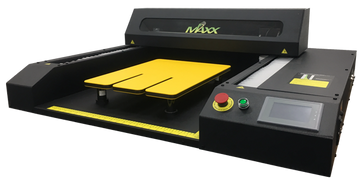
 Viper MAXX pretreatment machine
 Ecofreen Mister-T2 and Mister-T2 Pro pretreatment machines
 Pearl Elite and Pearl PTM DTG pretreatment machines
 Viper XPT-1000 pretreatment machine
 Lawson Silver-Jet and Silver-Jet V2 DTG Pretreat Sprayers
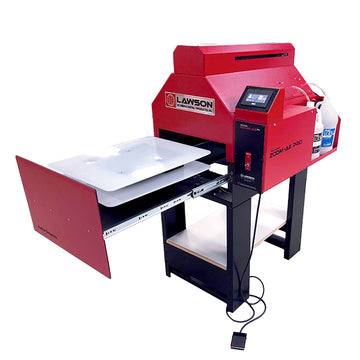
 Lawson Zoom-AE DTG pretreatment machine
 Viper MINI handheld DTG pretreatment machine


Brand
Prestige XL series (L2, XL2, XL2 Pro, XL3, XL4)
DTF Station Prestige R2 Pro
DTF Station Prestige R1
DTF Station Prestige R2 (original)
Prestige X6
DTF Station Prestige A4
DTF Station Prestige A3+ and A3+ R
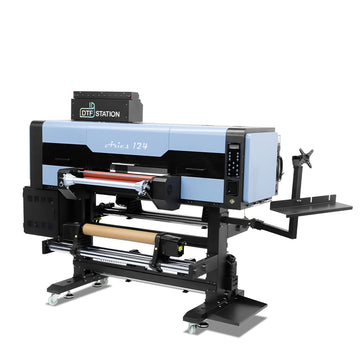
 DTF Station Aries 124 UV DTF printer
 Miro DTF Powder Shakers: Miro 13 Max, 16, 24 and 36
 DTF Station Aries 213 and Aries 113 UV DTF printers
 Seismo L16R and L24R DTF Powder Shaker and Dryer
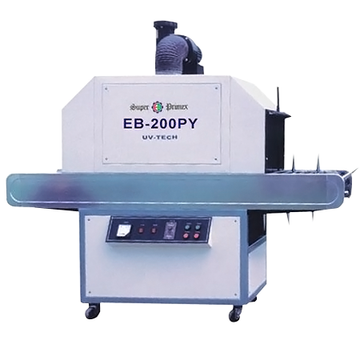
 Phoenix Air 16x20 DTF Curing Oven
DTF Station Maxima and Proxima Dual Heat Presses
DTF Station Prisma Auto Heat Press
DTF Station Prisma Dual Heat Press
DTF Station Prisma Swing Heat Press
DTF Station Vega S17
DTF Station Prisma Sentry Heat Press
 DTF Station Seismo V36R DTF Powder Shaker and Dryer
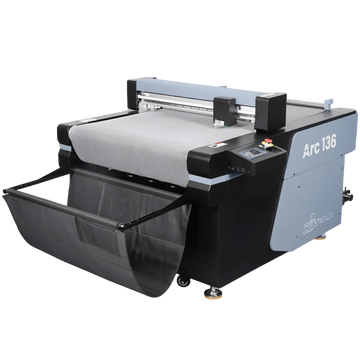
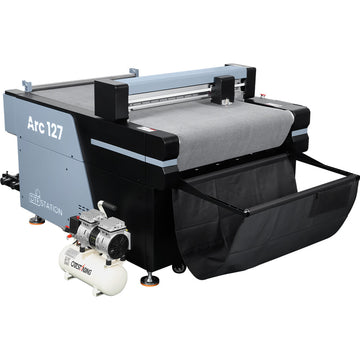
 DTF Station Arc 127 automatic cutter for DTF and UV DTF film
 Epson SureColor F2100
Epson SureColor G6070 DTF printer
 Epson SureColor F2270
 Epson SureColor F3070
 Epson SureColor F570
 Epson SureColor F170
 Epson SureColor F6470 and F6470H
 Epson SureColor F6370
 Epson SureColor F7200
 Epson SureColor P-Series photo printers (P700, P900, P6570, P8570)
 Epson SureColor T-Series CAD and technical printers
 Epson SureColor S-Series (S40600, S60600, S80600)
DTF film won't release or is hard to peel: causes and fixes
Film that fights you on the peel is usually overcured powder or a press that's too hot, and sometimes a peel method that doesn't match the film. Bring the cure back to 120 to 125°C, check the press with a thermometer (130 to 140°C for Glide Pro, 160°C for Universal Peel), let transfers cool 5 to 10 seconds after curing, and peel low and slow. If ink lifts with the film, the press is too cool instead.
Match your symptom
| What you see | Most likely cause | Go to |
|---|---|---|
| Won't hot or warm peel, only cold | Powder overcured | Step 1 |
| Film hard to peel, ink sticks to film, print shrinks or boils | Press too hot | Step 2 |
| Ink lifts off with the film, transfer sticks to the press | Press too cool | Step 2 |
| Resistance on the peel and bubbles in large solids | Pressed too soon after curing | Step 3 |
| Corners tear, small text lifts | Peeling too fast or too early | Step 4 |
| Peels fine on one film, not another | Wrong peel method for that film | Step 5 |
Step by step
-
Check the cure temperature
DTF Station's tests showed that powder cured at 160°C (320°F) forced a cold peel and caused bubbling in big solid areas. Bring curing back to about 120 to 125°C (248 to 257°F) and look for the glossy orange-peel finish. Measure your oven or shaker plate with an infrared thermometer; displays can read low.
-
Check the press temperature
Measure the platen, not just the display. Glide Pro presses at 130 to 140°C (266 to 284°F) and Universal Peel at 160°C (320°F), both for 10 to 15 seconds at medium pressure. In DTF Station's tests, 190°C (374°F) made the film hard to peel and left ink on it, while 131°C (268°F) left the powder unmelted so ink lifted with the film.
-
Let fresh transfers cool
If you press straight from the shaker or oven, the powder may still be molten. Wait 5 to 10 seconds after curing before pressing.
-
Peel low, slow and rolling
For a hot peel on Universal film, wait at least 3 seconds after the press opens. Then peel slowly in a rolling motion with the film kept close to the garment surface. Pulling up and away is what tears corners and lifts fine detail.
-
Match the peel to the film
Glide Pro is made to be peeled the moment the press opens, with no rubbing or waiting. Universal Peel works hot or cold. Other brands' films each have their own method, so check the box.
-
Rescue a partial release
If some of the design stayed on the film, lay it back down and press again with slightly more heat or pressure, then peel again.
Change one thing at a time and test on a scrap garment, so you know which change fixed it.
Text a photo of the peeled film and the garment to (562) 609-4996 with your cure and press settings.
Watch DTF Station's video: film hard to peel, overcuring and peeling technique
Embedded from the manufacturer's official channel.
Common questions
The film won't hot peel but comes off fine cold. What happened?
That's the classic sign of powder cured too hot. In DTF Station's tests, film cured at 160°C (320°F) couldn't be hot or warm peeled. Lower your curing temperature.
Ink stays on the film when I peel. Too hot or too cold?
It can be either. If the powder looks unmelted and the transfer sticks to the press, it's too cold. If the film is hard to peel and the print shrinks, it's too hot. Measure the platen to know.
Can I press it again if part of the design didn't release?
Yes. Lay the film back down and press again with a little more heat or pressure.
Should I hot peel or cold peel?
Glide Pro peels right away. Universal Peel can be hot or cold peeled. Flex powder on a Miro 36 setup should be cold peeled. Third-party films: follow their instructions.
- DTF Station: DTF General Troubleshooting (video)
- Color Prime Quick Glide Pro DTF Film Rolls, product instructions
- Color Prime Universal Peel DTF Film Rolls, product instructions
- DTF Station: Glide Pro film
- Color Prime Flex Hot Melt Powder, product page
- DTF Station technical documentation
- AA and DTF Station support requests about DTF film not peeling, 2024 to 2026