

















Machine type
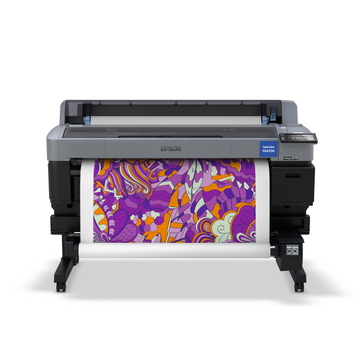
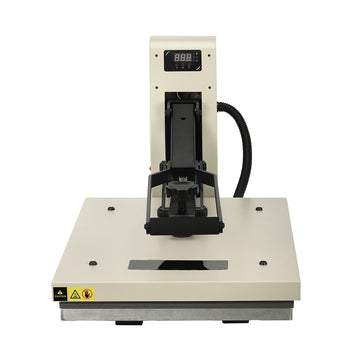
 Prestige XL series (L2, XL2, XL2 Pro, XL3, XL4)
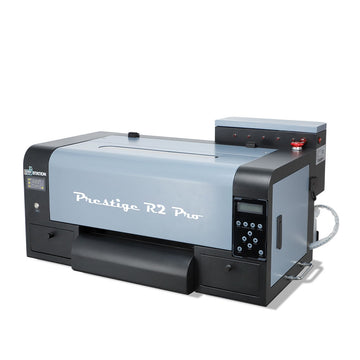
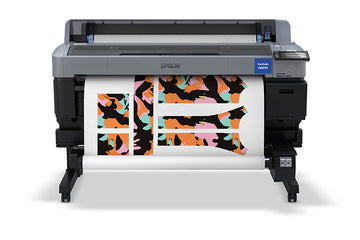
 DTF Station Prestige R2 Pro
 DTF Station Prestige R1
 DTF Station Prestige R2 (original)
 Prestige X6
 DTF Station Prestige A4
 DTF Station Prestige A3+ and A3+ R
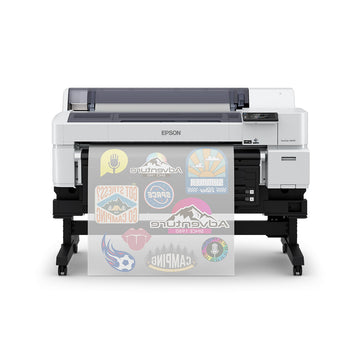
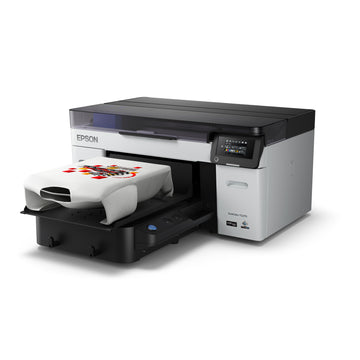
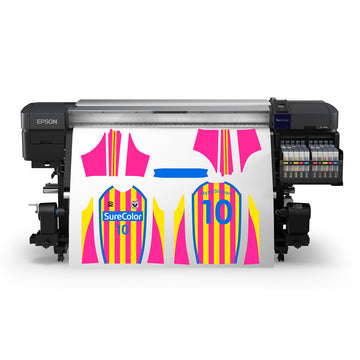
 Epson SureColor G6070 DTF printer
 Mimaki TxF300-1600
 Mimaki TxF330-800
 STS XPD-924D DTF Printer (Mutoh)
 STS VJ-628D DTF Printer (Mutoh)
 DTF Station Vega S17
 STS XpertJet 1682D (XPJ-1682D) 64 inch DTF Printer
 STS XPD-724 DTF Printer (Mutoh)


 Hotronix Fusion IQ, Air Fusion IQ and Dual Air Fusion IQ
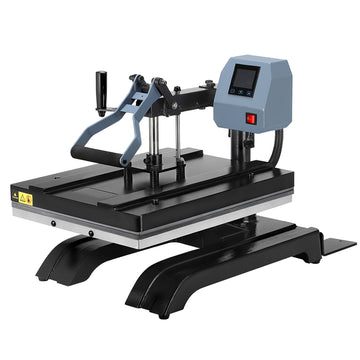
 Geo Knight DK20S and DK20SP Digital Knight Swing-Away Presses
 DTF Station Maxima and Proxima Dual Heat Presses
 Hotronix Auto Open Clam and Hover Heat Press
 DTF Station Prisma Auto Heat Press
 DTF Station Prisma Dual Heat Press
 DTF Station Prisma Swing Heat Press
 Insta 718, 728 and 828 Automatic Swing-Away Heat Presses
 DTF Station Prisma Sentry Heat Press
 Geo Knight DC16 and DC16AP Digital Combo Swing-Away Presses
 Geo Knight DK Digital Clamshell Presses: DK20, DK16, DKA Auto, DK8 Label and DK7 Cap
 Hotronix Auto Open Cap Press and 360 IQ Hat Press
 Hotronix Craft Heat Press 9 x 12
 Hotronix Mighty Mug Heat Press
 Insta 256 and 288 Manual Swing-Away Heat Presses
 Insta 907 Dual Station Shuttle Label Heat Press


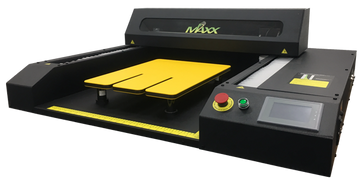
 Viper MAXX pretreatment machine
 Ecofreen Mister-T2 and Mister-T2 Pro pretreatment machines
 Pearl Elite and Pearl PTM DTG pretreatment machines
 Viper XPT-1000 pretreatment machine
 Lawson Silver-Jet and Silver-Jet V2 DTG Pretreat Sprayers
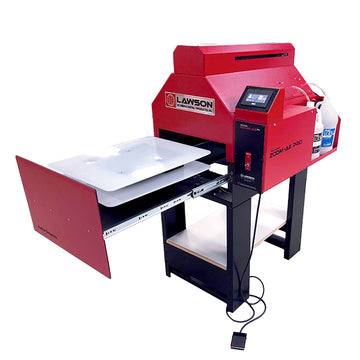
 Lawson Zoom-AE DTG pretreatment machine
 Viper MINI handheld DTG pretreatment machine


Brand
Prestige XL series (L2, XL2, XL2 Pro, XL3, XL4)
DTF Station Prestige R2 Pro
DTF Station Prestige R1
DTF Station Prestige R2 (original)
Prestige X6
DTF Station Prestige A4
DTF Station Prestige A3+ and A3+ R
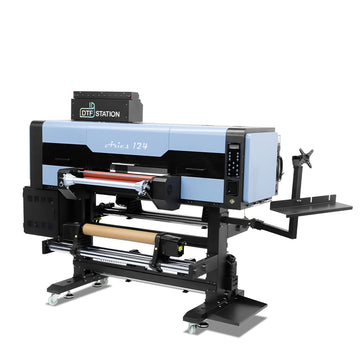
 DTF Station Aries 124 UV DTF printer
 Miro DTF Powder Shakers: Miro 13 Max, 16, 24 and 36
 DTF Station Aries 213 and Aries 113 UV DTF printers
 Seismo L16R and L24R DTF Powder Shaker and Dryer
 Phoenix Air 16x20 DTF Curing Oven
DTF Station Maxima and Proxima Dual Heat Presses
DTF Station Prisma Auto Heat Press
DTF Station Prisma Dual Heat Press
DTF Station Prisma Swing Heat Press
DTF Station Vega S17
DTF Station Prisma Sentry Heat Press
 DTF Station Seismo V36R DTF Powder Shaker and Dryer
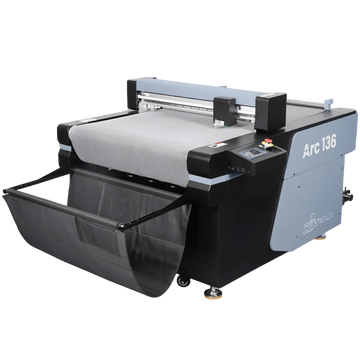
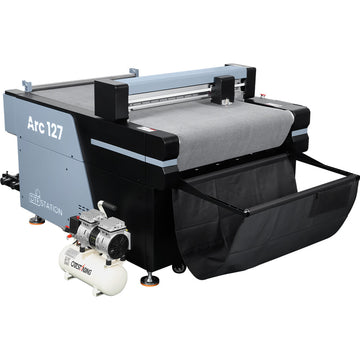
 DTF Station Arc 127 automatic cutter for DTF and UV DTF film
 Epson SureColor F2100
Epson SureColor G6070 DTF printer
 Epson SureColor F2270
 Epson SureColor F3070
 Epson SureColor F570
 Epson SureColor F170
 Epson SureColor F6470 and F6470H
 Epson SureColor F6370
 Epson SureColor F7200
 Epson SureColor P-Series photo printers (P700, P900, P6570, P8570)
 Epson SureColor T-Series CAD and technical printers
 Epson SureColor S-Series (S40600, S60600, S80600)
GFP laminator nip pressure, brake tension and rewind clutch: settings for flat, clear laminating
On GFP laminators, lower the top roller with the hand wheel only until it just touches the webs (on the 563TH, then 1/8 turn more). Set the supply brakes just tight enough to remove wrinkles while the roll still turns, and the rewind clutches just tight enough to keep pace with the machine. Too much of any of them causes wrinkles, waves or curl.
Three adjustments decide whether a GFP laminator gives clean, flat output: nip pressure (how hard the rollers squeeze), brake tension on the supply rolls, and clutch tension on the rewind shafts. GFP's rule for all three is the same: use the least that does the job.
Nip pressure
The hand wheel on the right raises and lowers the top roller. Clockwise brings it down and adds pressure; counterclockwise lifts it.
| Machine | GFP's setting |
|---|---|
| 200 Series | Down until the rollers just touch the two webs together |
| 300 Series | Down only until the two webs touch |
| 563TH | Down until it just touches the film, then 1/8 turn more |
Too much nip pressure wrinkles the output. Too little leaves the laminate cloudy or poorly bonded. On the 563TH, a gap scale inside the right side frame shows the roller opening.
Check the gap is even
-
Paper test
Lay a sheet of paper across the full width between the rollers.
-
Close to a touch
Lower the top roller until the rollers just touch.
-
Pull and feel
Pull on the paper at several points across the width. The grip should feel the same everywhere.
If one side grips less, that is why laminate bonds poorly on one side. Correcting it means opening the side cabinets and adjusting the pressure brackets and taper gears, so text us at (562) 609-4996 and we will help you through it or book a technician.
Supply brake tension
- Turn the brake knob (or the adjusting sleeve on the 200 Series bottom shaft) clockwise to tighten and counterclockwise to loosen.
- Add only enough tension to take wrinkles out of the web before it reaches the rollers.
- The roll must still turn. Too much brake causes waves, wrinkles, or curl.
- Film roll going slack while running: add a little brake on that roll.
Rewind clutch tension
- The liner rewind and the rear rewind should turn at about the same speed as the laminator.
- Tighten the clutch knob if the rewind falls behind or the liner goes loose as it winds.
- Back it off if the drive spins faster than the shaft; that is too much clutch.
- On the 563TH, the top liner rewind clutch knob is on the left cabinet.
Reading curl
GFP's quick guide: output curling up means too much tension on the top roll, curling down means too much on the bottom roll. Ease off the one that matches, a little at a time, and run a test.
Keep hands, hair and sleeves away from the rollers while adjusting. The nip is a pinch point. Make adjustments with the machine stopped where you can.
Watch GFP's video: nip adjustment on the 500, 300 and 200 Series
More videos
Embedded from the manufacturer's official channel.
Common questions
Which way is more pressure?
Clockwise on the hand wheel lowers the top roller and adds pressure. Counterclockwise lifts it.
My prints curl up after laminating.
Too much tension on the top roll. Ease off the top brake a little at a time.
Laminate bonds on one side but not the other.
The nip is uneven. Do the paper test, and contact us if one side grips less, since the fix is inside the side cabinets.
The liner rewind goes slack.
Add a little clutch tension on the rewind.