


















Machine type
 Prestige XL series (L2, XL2, XL2 Pro, XL3, XL4)
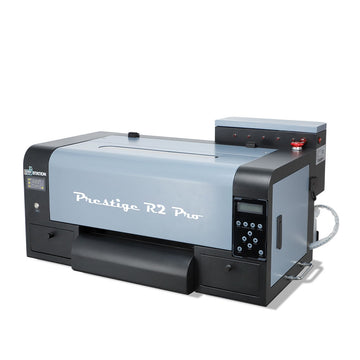
 DTF Station Prestige R2 Pro
 DTF Station Prestige R1
 DTF Station Prestige R2 (original)
 Prestige X6
 DTF Station Prestige A4
 DTF Station Prestige A3+ and A3+ R
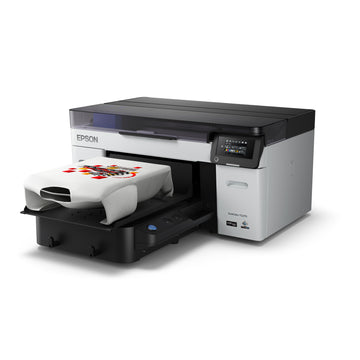
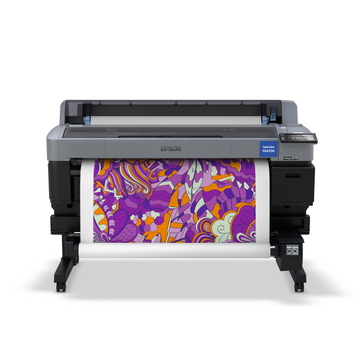
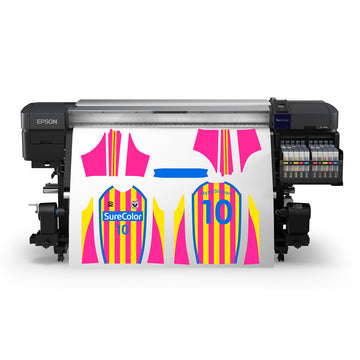
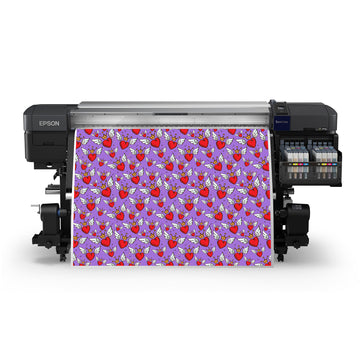
 Epson SureColor G6070 DTF printer
 Mimaki TxF300-1600
 Mimaki TxF330-800
 STS XPD-924D DTF Printer (Mutoh)
 STS VJ-628D DTF Printer (Mutoh)
 DTF Station Vega S17
 STS XpertJet 1682D (XPJ-1682D) 64 inch DTF Printer
 STS XPD-724 DTF Printer (Mutoh)


 Hotronix Fusion IQ, Air Fusion IQ and Dual Air Fusion IQ
 Geo Knight DK20S and DK20SP Digital Knight Swing-Away Presses
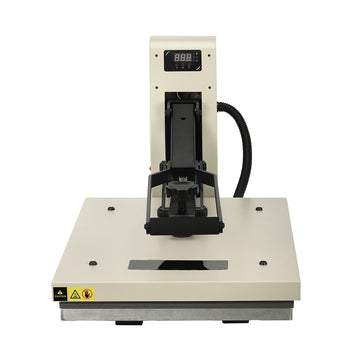
 DTF Station Maxima and Proxima Dual Heat Presses
 Hotronix Auto Open Clam and Hover Heat Press
 DTF Station Prisma Auto Heat Press
 DTF Station Prisma Dual Heat Press
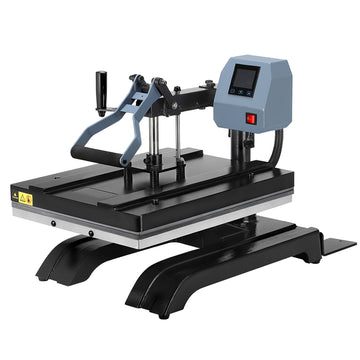
 DTF Station Prisma Swing Heat Press
 Insta 718, 728 and 828 Automatic Swing-Away Heat Presses
 DTF Station Prisma Sentry Heat Press
 Geo Knight DC16 and DC16AP Digital Combo Swing-Away Presses
 Geo Knight DK Digital Clamshell Presses: DK20, DK16, DKA Auto, DK8 Label and DK7 Cap
 Hotronix Auto Open Cap Press and 360 IQ Hat Press
 Hotronix Craft Heat Press 9 x 12
 Hotronix Mighty Mug Heat Press
 Insta 256 and 288 Manual Swing-Away Heat Presses
 Insta 907 Dual Station Shuttle Label Heat Press


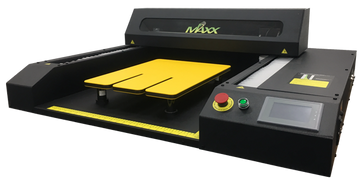
 Viper MAXX pretreatment machine
 Ecofreen Mister-T2 and Mister-T2 Pro pretreatment machines
 Pearl Elite and Pearl PTM DTG pretreatment machines
 Viper XPT-1000 pretreatment machine
 Lawson Silver-Jet and Silver-Jet V2 DTG Pretreat Sprayers
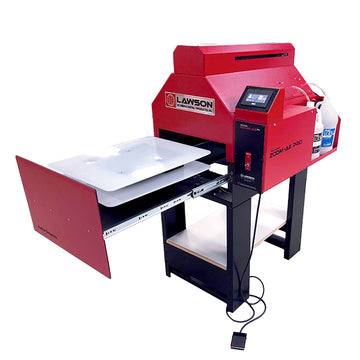
 Lawson Zoom-AE DTG pretreatment machine
 Viper MINI handheld DTG pretreatment machine


Brand
Prestige XL series (L2, XL2, XL2 Pro, XL3, XL4)
DTF Station Prestige R2 Pro
DTF Station Prestige R1
DTF Station Prestige R2 (original)
Prestige X6
DTF Station Prestige A4
DTF Station Prestige A3+ and A3+ R
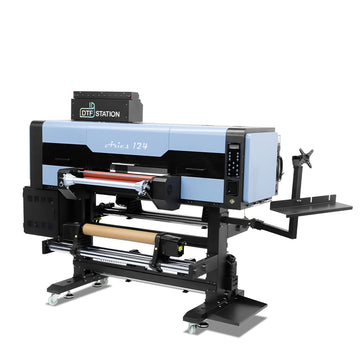
 DTF Station Aries 124 UV DTF printer
 Miro DTF Powder Shakers: Miro 13 Max, 16, 24 and 36
 DTF Station Aries 213 and Aries 113 UV DTF printers
 Seismo L16R and L24R DTF Powder Shaker and Dryer
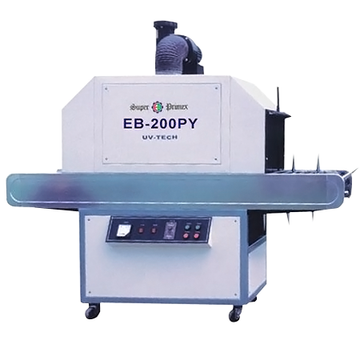
 Phoenix Air 16x20 DTF Curing Oven
DTF Station Maxima and Proxima Dual Heat Presses
DTF Station Prisma Auto Heat Press
DTF Station Prisma Dual Heat Press
DTF Station Prisma Swing Heat Press
DTF Station Vega S17
DTF Station Prisma Sentry Heat Press
 DTF Station Seismo V36R DTF Powder Shaker and Dryer
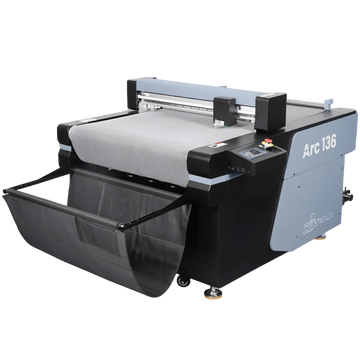
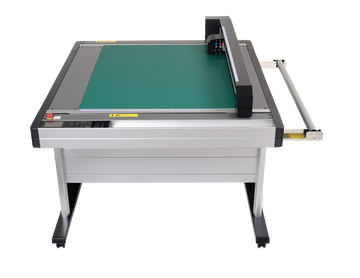
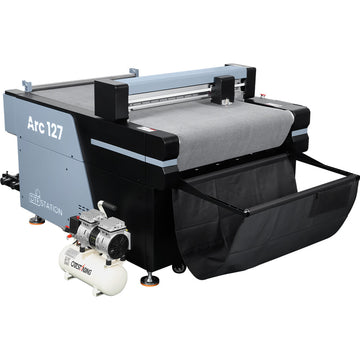
 DTF Station Arc 127 automatic cutter for DTF and UV DTF film
 Epson SureColor F2100
Epson SureColor G6070 DTF printer
 Epson SureColor F2270
 Epson SureColor F3070
 Epson SureColor F570
 Epson SureColor F170
 Epson SureColor F6470 and F6470H
 Epson SureColor F6370
 Epson SureColor F7200
 Epson SureColor P-Series photo printers (P700, P900, P6570, P8570)
 Epson SureColor T-Series CAD and technical printers
 Epson SureColor S-Series (S40600, S60600, S80600)
xTool laser material settings: where to find xTool's official power and speed settings
Start from xTool's official settings, not a number from a forum. In xTool Studio, click Material in the parameter panel and pick your material, or search xTool's Materials Lab at atomm.com/materials-lab, which lists settings by machine. If your material is not listed, run a Material Test Array on a scrap and save the result as your own material.
Why start from xTool's numbers
Power, speed and passes depend on the exact machine, laser module (diode, MOPA or CO2), lens, processing mode and material thickness. xTool tests its own materials on each machine and publishes the results. A number copied from a different machine can scorch, fail to cut, or start a fire. We do not publish our own settings tables for this reason.
Method 1: inside xTool Studio
-
Open the material list
In the parameter panel on the right, click Material. You will see materials you have used, your saved materials, and xTool's recommended materials, which you can filter by type or search by name.
-
Read the material details
Each material shows its recommended processing mode and precautions, such as whether it is flammable or gives off smoke. Read these before you apply it.
-
Apply it and pick the job type
Click Apply, choose the recommended processing mode, then the processing type (cut, engrave and so on). The settings appear in the Reference area of the panel.
-
Choose from the matrix if offered
For materials that change a lot with settings, xTool Studio shows a grid of real results. Click the square that looks the way you want, and those settings are applied.
Method 2: xTool's Materials Lab in a browser
Go to atomm.com/materials-lab (easyset.xtool.com redirects there). The Official tab has xTool's tested settings; filter by material, machine, processing type and laser head. Click a material card to see settings for each machine, then use Save to Studio or Open in Studio. The Community tab holds settings shared by other users. Treat those as untested and try them on scrap first.
Method 3: test your own material
-
Connect the machine
Results only apply to the laser that runs the test, so connect it first.
-
Set the starting point
Create a small shape, set the processing type, and enter the closest xTool settings you found. These become the defaults for the test.
-
Create the test array
Select the shape and choose Material Test Array (under Applications in current versions). Columns vary power and rows vary speed; set the range and number of each. Give the array's title text its own processing setting, or xTool Studio uses half the default power and speed for it.
-
Run it and watch it
Run the array on a scrap of the exact material. Stay with the machine: very high power at low speed can ignite the material.
-
Save the winner
Click the save icon in the parameter panel to store the settings under that material, or use Add Material to create a new one in My Materials.
Never process a material you cannot identify. PVC, vinyl, and many plastics with chlorine release toxic, corrosive fumes that harm you and the machine.
Watch xTool's video: xTool Studio, enhanced material settings tutorial
Embedded from the manufacturer's official channel.
Common questions
Will settings for a P2S work on my P3 or F2 Ultra?
Not reliably. xTool publishes settings per machine, laser module and processing mode. Always filter by your exact machine.
The material I bought is not in the library.
Pick the closest xTool material as a starting point, then run a Material Test Array on a scrap of your actual material.
Can I share my settings with another computer?
Yes. In xTool Studio 1.8 or later, go to Material Setting on the home page and use Export, then Import on the other computer.
Can I laser vinyl or PVC?
No. xTool warns that PVC, vinyl and other chlorine-containing materials give off corrosive, harmful fumes. Never laser HTV or adhesive vinyl.
- How to Locate and Use the xTool Material Parameter Settings
- How to Set xTool Material Parameters
- How to Perform an Array Test on a Material
- How to Save Your Own Material Parameter Settings and Import / Export
- xTool Materials Lab
- AA support requests about xTool material settings, 2024 to 2026